
.: DIGITAL ART :.
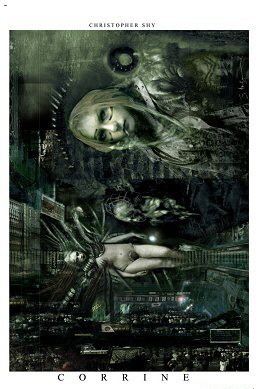
Digital art as art that uses digital technology in any of three ways: as the product, as the process, or as the subject. These are further described below.
Product
Art whose final form is digital in nature is digital art. These are works
that are viewed on a computer, such as software or web sites. This also
includes works that use nonstandard hardware, such as electronics and
robotics. The hardware need not be functional: a sculpture made of integrated
circuit boards could be considered digital art.
We feel that the expressive capabilities of this new medium have only been touched upon, and so we are interested in seeing how artists express themselves through it.
Process
Art that was created using digital technology in the process of its creation
would also be digital art. Obvious examples include computer-generated
animation, synthesized music, and computer-designed sculpture. While these
works might be presented in traditional media (e.g. film, audio tape and
marble), their production was facilitated by the use of digital technology.
Less obvious examples include: a painting designed by visitors to a web page; a playwhich reenacts an e-mail exchange; or music that samples sounds from an arcade game. These are still works which could not exist without digital technology to aid their production.
We are interested in how digital technology is altering the production of art. This alteration can be subtle or profound, either by impacting traditional production or allowing novel approaches.
Subject
Finally, art that addresses or discusses digital technology is also digital
art. A painting depicting a woman using an ATM machine, a bust of Alan
Turing, and song about chat rooms could all be considered digital art.
Digital technology need not be the focus of the piece, or even mentioned
intentionally. We are interested in works that, through their subject,
say something about digital technology and its impact on the world.